
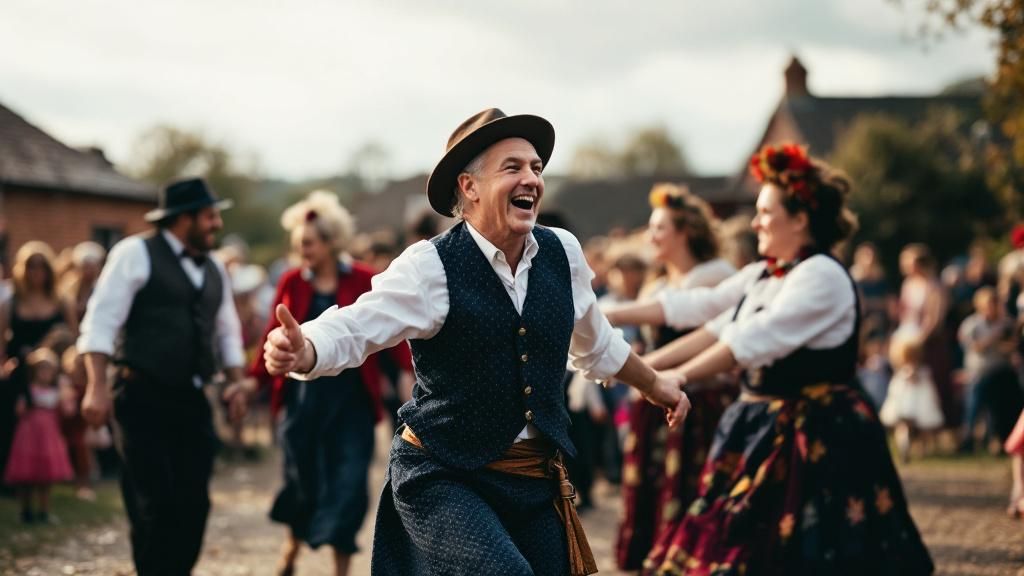
Across the picturesque rural and isolated villages of the United Kingdom, a cultural renaissance is gently taking place. Folk dancing traditions, previously regarded as quaint relics of a distant past, are undergoing a remarkable and energetic revival. From the Scottish ceilidhs to the morris dancing festivals of the Cotswolds, rural communities are reconnecting with the pleasure and cultural importance of these traditional dances. This article explores how these traditional dances are captivating new age groups and strengthening community bonds throughout Britain’s heartland.
The Return of Time-Honoured Folk Dance
The resurgence of folk dancing across rural Britain embodies a notable cultural phenomenon. Young people and experienced dancers alike are adopting traditional forms such as ceilidh, morris dancing, and country dancing with authentic passion. Community halls and village greens have evolved as vibrant meeting places where these time-honoured practices flourish once more. Local dance groups have multiplied significantly, arranging regular sessions and festivals that attract participants from surrounding areas. This grassroots movement demonstrates that folk dancing possesses an enduring appeal that surpasses generational boundaries and contemporary modern leisure activities.
A number of factors have led to this surprising resurgence in countryside areas throughout the United Kingdom. Social media platforms have made it possible for folk dancers to share information, build connections, and publicise events with greater ease than previously. Additionally, growing interest in sustainable, locally-based entertainment has prompted communities to reconnect with their cultural traditions. The inclusive nature of folk dancing, which accommodates people irrespective of experience or ability, has shown itself as especially attractive to those seeking authentic social interaction. Furthermore, increased recognition of folk dancing’s positive effects on wellbeing—both physical and mental—has inspired individuals to take part in these traditional activities.
Local Differences and Cultural Importance
The United Kingdom’s folk dancing scene is remarkably varied, with each region preserving unique customs that showcase local history, geography, and cultural heritage. From the energetic ceilidhs of the Scottish Highlands to the complex movements of English country dancing, these geographical distinctions illustrate how folk traditions have developed distinctly across Britain. Recognising these differences is vital for appreciating the rich tapestry of British folk culture and acknowledging why country communities continue to be deeply committed to safeguarding their traditional dances.
English Country Dancing
English country dancing represents one of Britain’s most carefully preserved and formally documented folk traditions, with roots extending back many centuries. These dances, typically performed in long lines and squares, feature elaborate patterns and precise footwork that demand significant practice and skill. The revival of English country dancing in rural villages has exposed newcomers to classics such as the Playford dances, which continue to captivate audiences with their refined choreography and lasting charm.
Contemporary English country dance clubs have flourished throughout rural England, offering weekly gatherings where participants of all ages can master traditional steps and patterns. These sessions foster genuine community spirit, as dancers work together to perform complex sequences with grace and synchronisation. The inclusive nature of English country dancing, paired with its social nature, has proven instrumental in drawing younger generations keen to connect with the nation’s cultural heritage.
Scottish and Welsh Traditions
Scottish folk dancing, exemplified through the lively ceilidh, delivers spirited joy and shared enjoyment to rural celebrations in Scotland. These vibrant events feature dances such as the Strip the Willow and the Gay Gordons, defined by dynamic motion and infectious rhythms performed on period instruments. The ceilidh’s welcoming character ensures it especially attractive to new participants, as dancers need not have dancing experience to participate enthusiastically together with seasoned performers.
Welsh folk traditions, including the distinctive Welsh country dances and the spirited Noson Lawen celebrations, maintain equally strong cultural significance in remote Welsh areas. These traditions often blend in Welsh language and music, serving as vital channels for cultural preservation and cultural identity. The growing engagement in Welsh dancing reflects comprehensive approaches to preserve the language and customs that characterise Welsh heritage, making these traditions invaluable to present-day Welsh countryside culture.
Community Participation and Future Outlook
The resurgence of folk dancing has catalysed unprecedented social involvement across rural areas of Britain. Community councils and heritage organisations are actively funding in dancing initiatives, recognising their potential to enhance social cohesion and tackle social isolation in rural areas. Community halls have become dynamic community spaces, running frequent ceilidhs and instructional classes that draw individuals from every generation. This grassroots momentum demonstrates that folk traditions continue to matter greatly to contemporary communities, creating authentic relationships amongst residents who might otherwise have limited social interaction opportunities.
Educational institutions are taking on a key role in securing the future of these traditions. Schools across England, Scotland, Wales, and Northern Ireland now feature folk dancing in their curricula, ensuring younger generations develop appreciation for their heritage and traditions. Universities have created specialist folk dance groups, whilst experienced instructors are coaching new instructors to preserve genuine methods. This formal endorsement provides essential infrastructure and legitimacy, changing what was formerly seen as secondary into recognised cultural education that enhances young people’s knowledge of British heritage.
Looking ahead, the potential for folk dancing appear exceptionally bright. Digital platforms and online networks have broadened access beyond geographical boundaries, connecting enthusiasts internationally whilst promoting local traditions. Festival attendance keeps increasing year on year, drawing visitor spending that benefits rural economies substantially. As communities increasingly prioritise wellbeing and cultural preservation, folk dancing stands serving as a purposeful pursuit addressing contemporary social needs whilst honouring Britain’s rich historical tapestry for those who follow.
