
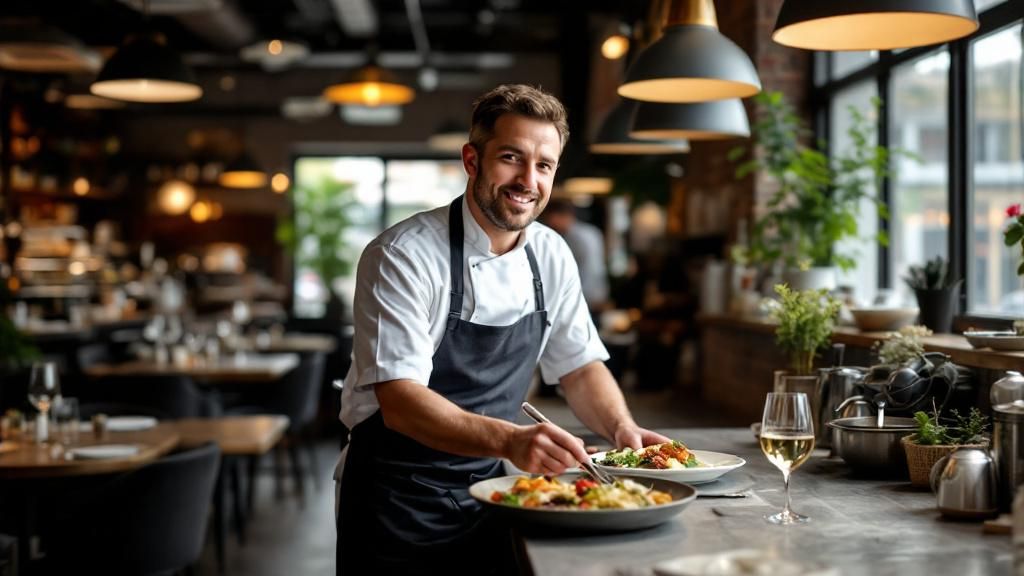
In a daring move that questions conventional food culture, a acclaimed culinary figure has introduced an innovative restaurant that focuses on environmental stewardship and community connection. This groundbreaking establishment eschews traditional supply chains in favour of locally-sourced produce, whilst concurrently developing substantive partnerships with the surrounding neighbourhood. Discover how this bold initiative combines exceptional cooking with principled approaches, setting a powerful example for the dining sector and demonstrating that high-end dining needn’t compromise on conscience.
A Modern Approach for Upscale Cuisine
The contemporary fine dining landscape has long been characterised by exclusivity and distance from its origins. However, this forward-thinking restaurant fundamentally reimagines what upscale dining can embody. By focusing on transparency and accountability throughout its processes, the establishment demonstrates that gastronomic quality and moral accountability are not incompatible pursuits. This significant transformation questions long-standing industry conventions, proving that guests increasingly seek understanding the origin of their meals and comprehending the wider consequences of their dining choices.
Rather than following the traditional model of haute cuisine, this venture embraces a philosophy that champions regional producers and seasonal produce. The chef’s dedication to environmentally responsible methods extends beyond the kitchen, encompassing everything from minimising waste to energy efficiency. This holistic approach appeals strongly to contemporary consumers who seek authentic encounters aligned with their values. By combining culinary creativity with environmental stewardship, the restaurant establishes a compelling blueprint for how the hospitality sector might evolve, proving that conscience and culinary artistry can thrive in balanced collaboration.
Buying from Local Producers
The restaurant’s dedication to sustainability starts with its carefully selected network of local producers and craft food producers. Rather than relying on traditional wholesale suppliers, the venue has built strong partnerships with regional agricultural producers, fisheries, and craft food manufacturers. This approach not only ensures outstanding ingredient calibre and quality, but also substantially decreases the environmental impact associated with distant sourcing. By promoting neighbourhood food makers, the restaurant ensures that every dish reflects the authentic flavours and seasonal character of the neighbourhood area.
These collaborative relationships go well past simple business dealings. The chef regularly visits supplier sites to understand production methods, explore sustainability practices, and offer helpful suggestions. This transparency fosters mutual respect and allows producers to receive direct recognition for their efforts. Furthermore, the restaurant features rotating menus that highlight seasonal availability, informing customers about the seasonal patterns of local agriculture. Such practices strengthen community bonds whilst demonstrating that culinary excellence and environmental stewardship are entirely compatible objectives within the contemporary hospitality industry.
Community at the Heart of the Establishment
The restaurant’s pledge to neighbourhood participation extends far beyond merely providing outstanding food. Chef and proprietor have intentionally created the space to serve as a authentic local gathering place, organising regular events that showcase community skills and cultivate genuine relationships amongst patrons. From culinary workshops showcasing community growers to collaborative dining experiences with local organisations, the establishment deliberately fosters an open-minded setting where guests sense true appreciation and respected as part of an wider community.
Educational projects form a cornerstone of the restaurant’s community-oriented philosophy. The venue frequently provides workshops covering sustainable cooking techniques, nutritional understanding, and environmental responsibility to local residents of all ages and backgrounds. By democratising culinary knowledge and enabling people to make informed food decisions, the restaurant moves past its business role and acts as a force for beneficial behavioural shifts throughout the wider neighbourhood, encouraging sustained shifts in how people approach dietary practices.
Furthermore, the establishment sustains robust partnerships with local charities, community food services, and social enterprises, ensuring surplus ingredients assist vulnerable populations. Staff members are actively encouraged to volunteer across the community, whilst a portion of profits funds neighbourhood projects and environmental conservation projects. This multifaceted approach demonstrates that restaurants can function sustainably whilst actively supporting societal wellbeing and ecological sustainability simultaneously.
